
How Much Light Do Orchids Need? A Complete Guide to Orchid Lighting
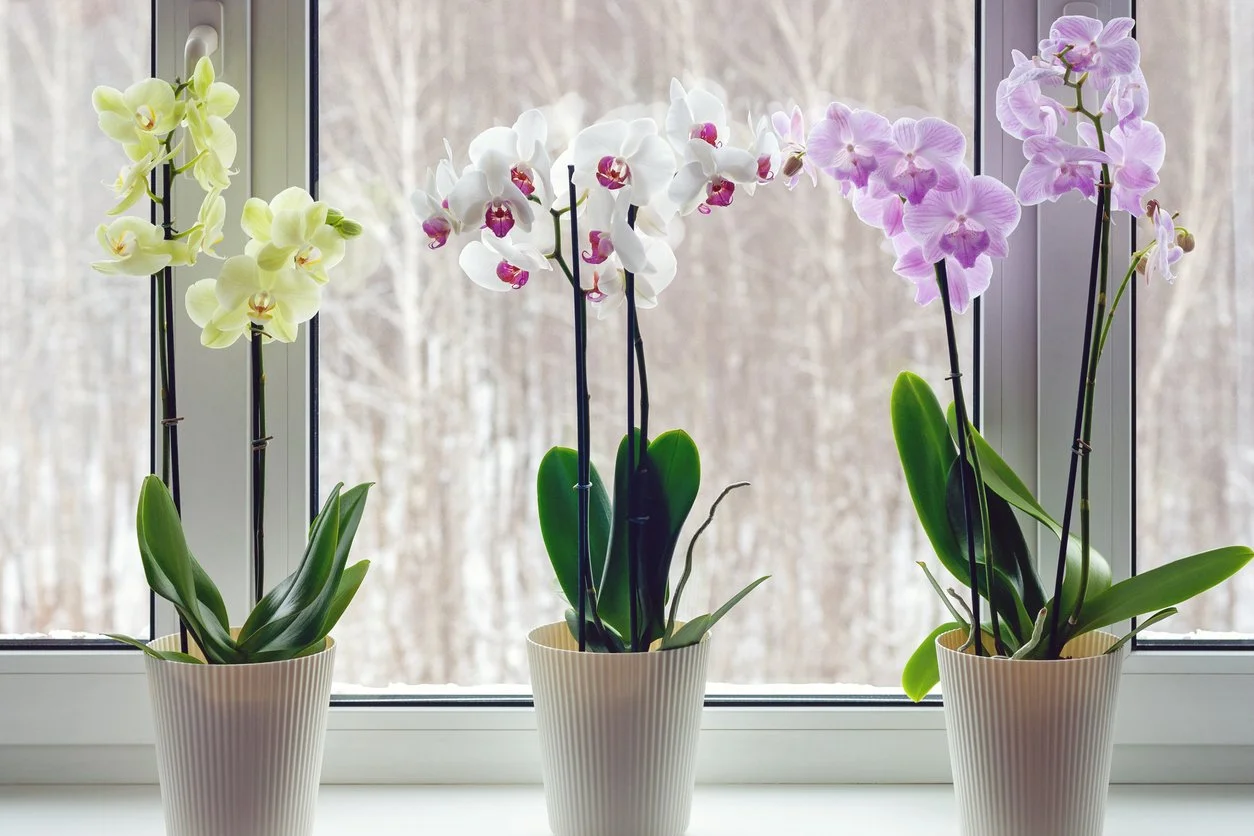
Lighting is one of the most important factors in growing healthy orchids. While orchids are often known for being elegant and long-lasting houseplants, their ability to thrive—and especially to bloom—depends heavily on receiving the right amount of light. Understanding orchid lighting can make the difference between a plant that simply survives and one that produces vibrant, beautiful flowers year after year.
Many orchid owners struggle to determine whether their plants are receiving enough light. Some orchids sit in dim corners where they grow slowly and rarely bloom, while others are placed in direct sunlight that can damage delicate leaves. Finding the right balance is essential, because orchids generally prefer bright, indirect light rather than intense direct sun.
Fortunately, learning how to provide the proper lighting for orchids is easier than many people think. With the right window placement, an understanding of how orchids respond to light, and occasional adjustments throughout the year, you can create an environment where your orchid can truly thrive.
In this guide, we’ll explore everything you need to know about orchid lighting, including how much light orchids need, the best window locations, how to recognize signs of too much or too little light, and when artificial lighting can help support healthy growth and blooming.
Why Light Is Important for Orchids
Light plays a vital role in the health and growth of orchids. Like all plants, orchids rely on light to carry out photosynthesis, the process that allows them to convert light energy into the nutrients they need to grow. Without adequate light, an orchid may survive for a while, but it will struggle to grow new leaves, develop strong roots, or produce flowers.
One of the most noticeable effects of proper orchid lighting is blooming. Many orchid owners find that their plants produce leaves but never flower, and insufficient light is often the reason. When orchids receive the right amount of light, they are much more likely to develop flower spikes and produce the vibrant blooms they are known for.
Light also helps regulate an orchid’s overall growth cycle. Adequate lighting supports healthy leaf development, encourages root growth, and allows the plant to store enough energy to support future blooms. When light levels are too low, orchids may grow slowly and produce darker green leaves as they try to capture more light.
At the same time, too much light can cause damage. Orchid leaves can burn if they are exposed to strong, direct sunlight for extended periods. This is why most orchids thrive in bright but indirect light, similar to the conditions they experience in their natural environments beneath tree canopies.
Finding the right balance of light helps orchids maintain steady growth and produce their signature flowers. Once growers understand how light affects orchids, it becomes much easier to create the conditions these plants need to thrive indoors.
How Much Light Do Orchids Need?
Most orchids grow best in bright, indirect light, which means they receive plenty of illumination without being exposed to harsh, direct sunlight for long periods. In their natural environments, many orchids grow attached to trees beneath forest canopies, where sunlight is filtered through leaves. Replicating these conditions indoors helps orchids grow and bloom successfully.
For many popular houseplant orchids, especially Phalaenopsis varieties, bright indirect light is ideal. This type of lighting typically occurs near windows where sunlight is present but softened by distance, curtains, or indirect exposure.
A simple way to think about orchid lighting is that the plant should receive enough light to cast a soft shadow during the day, but not such intense light that the leaves become hot or scorched.
Visual Signs of Proper Lighting
Orchids often communicate whether they are receiving the right amount of light through the color and condition of their leaves.
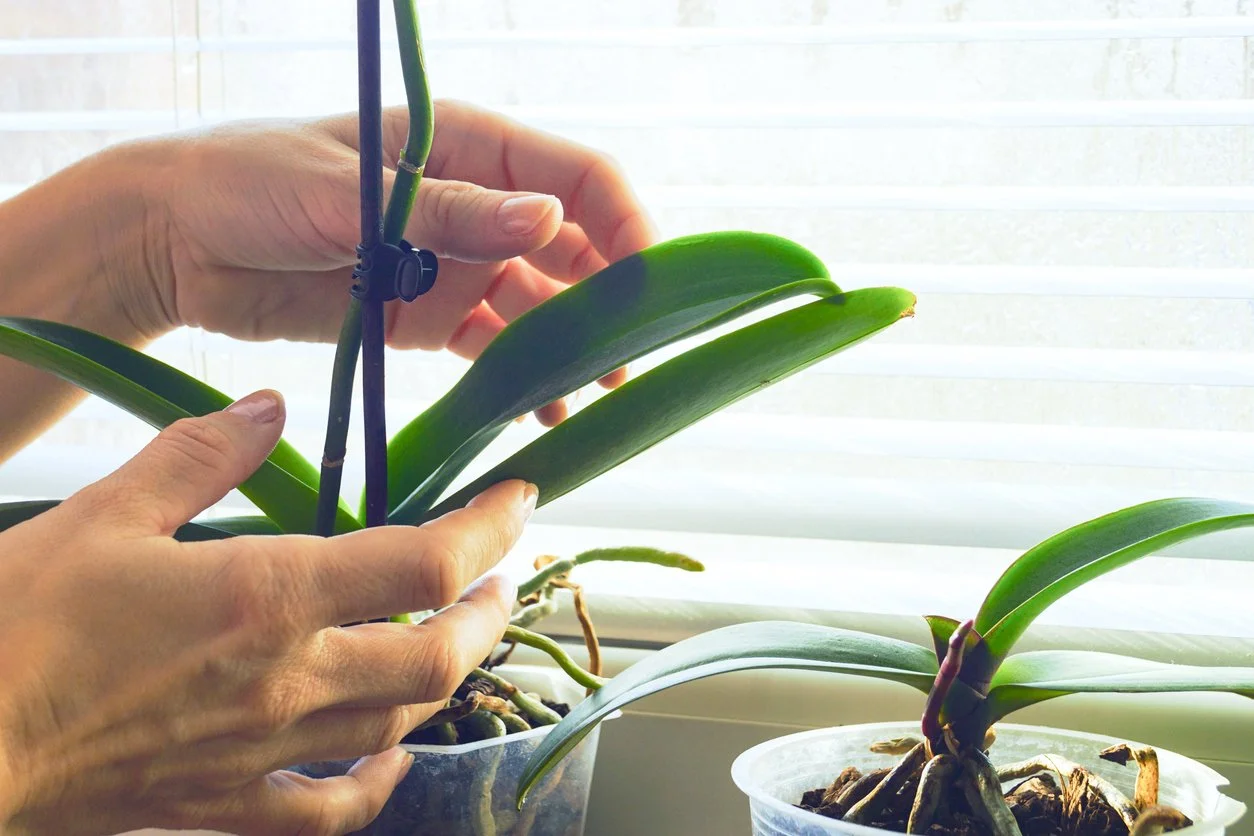
Healthy orchids typically have medium green leaves and steady growth. When lighting is appropriate, the plant will continue producing new leaves and may eventually develop flower spikes.
Adjusting Light Levels Indoors
Indoor lighting conditions can vary widely depending on window placement, time of year, and surrounding buildings or trees. If your orchid isn’t receiving enough natural light, moving it closer to a window can help.
At the same time, orchids should usually be protected from strong midday sun, especially in south- or west-facing windows where sunlight can be more intense.
Understanding how much light orchids need is one of the most important steps in helping them thrive. Once you find the right balance, your orchid will have the energy it needs to grow healthy leaves, develop strong roots, and produce beautiful blooms.
Best Window Placement for Orchids
Choosing the right location in your home is one of the easiest ways to provide proper lighting for orchids. Because orchids prefer bright, indirect light, placing them near the right type of window can make a big difference in their growth and blooming.
Different window directions provide different levels of sunlight throughout the day, so understanding how each one affects orchid lighting can help you decide where your plant will thrive.
East-Facing Windows
East-facing windows are often considered one of the best locations for many orchids. These windows provide gentle morning sunlight that is bright but usually not intense enough to damage the leaves.
Morning light helps orchids receive the illumination they need for healthy growth while avoiding the stronger afternoon sun. Phalaenopsis orchids in particular tend to perform very well in east-facing windows.
South-Facing Windows
South-facing windows typically receive the most sunlight throughout the day. While this can be beneficial, the light may be too strong for some orchids if they are placed directly in the window.
To make south-facing windows suitable for orchids, many growers use sheer curtains or place the plant slightly away from the glass. This helps diffuse the light and create the bright, indirect conditions orchids prefer.
West-Facing Windows
West-facing windows receive stronger sunlight later in the day. Afternoon sun can be quite intense, especially during summer months, and may increase the risk of leaf burn.
If you place an orchid near a west-facing window, it’s often helpful to filter the light with curtains or position the plant a little farther from the window.
North-Facing Windows
North-facing windows provide the lowest amount of natural light. While they may work for some shade-tolerant orchids, many varieties may not receive enough light in this location to produce blooms.
If a north-facing window is your only option, you may want to supplement natural light with a grow light to help your orchid receive adequate illumination.
By choosing the right window placement and making small adjustments when needed, you can create a lighting environment that helps your orchid grow strong and produce beautiful flowers.
Signs Your Orchid Is Getting Too Much Light
While orchids need plenty of light to grow and bloom, too much direct sunlight can damage the plant. Orchid leaves are sensitive and can burn if they are exposed to intense sunlight for long periods, especially during the middle of the day.
Recognizing the signs of excessive light can help you adjust your orchid’s placement before serious damage occurs.
Yellowing Leaves
One of the earliest signs that an orchid may be receiving too much light is yellowing leaves. While some natural color variation can occur, leaves that become pale or yellow may indicate that the plant is being exposed to more sunlight than it can tolerate.
If this happens, moving the orchid slightly farther from the window or filtering the light with a curtain can help restore healthier conditions.
Sunburn or Scorch Marks
Direct sun exposure can cause visible burn marks on orchid leaves. These often appear as white, bleached, or brown patches on the leaf surface.
Sunburn damage usually occurs when orchids are placed directly in strong afternoon sun, particularly in south- or west-facing windows. Once leaves are burned, the damage cannot be reversed, but adjusting the plant’s lighting can prevent further harm.
Leaves Feel Warm or Dry
Healthy orchid leaves typically feel firm and slightly cool to the touch. If the leaves feel unusually warm or dry, the plant may be receiving too much direct sunlight.
This can happen when orchids are positioned too close to a window during periods of strong sunlight.
Rapid Moisture Loss
Excessive light and heat can cause potting media to dry out much faster than normal. If you notice that your orchid’s potting mix is drying extremely quickly, it may be a sign that the plant is receiving too much light or heat from its environment.
By recognizing these warning signs early, you can adjust the orchid’s placement and create a more balanced lighting environment that supports healthy growth.

Signs Your Orchid Is Not Getting Enough Light
While too much sunlight can damage orchids, insufficient light is actually one of the most common challenges for indoor growers. Orchids can survive in low-light conditions for a while, but without enough light they often struggle to grow and rarely produce flowers.
Learning to recognize the signs of low light can help you adjust your orchid’s placement and create a healthier growing environment.
Dark Green Leaves
Orchid leaves can reveal a lot about their lighting conditions. When an orchid is not receiving enough light, the leaves often turn a very dark green color.
While this may seem like a sign of health, extremely dark green leaves often indicate that the plant is trying to capture as much light as possible. Orchids that receive proper lighting usually have medium green leaves rather than deep, dark green ones.
Lack of Blooms
One of the most common signs of insufficient light is an orchid that grows leaves but never flowers. Blooming requires a significant amount of energy, and orchids depend on adequate lighting to produce that energy.
If your orchid appears healthy but hasn’t produced a flower spike in a long time, increasing the amount of bright, indirect light it receives may encourage blooming.
Slow or Limited Growth
Orchids that are not receiving enough light may grow very slowly. New leaves may take longer to appear, and overall growth may seem stalled.
In some cases, the plant may remain alive but show little development over long periods.
Long, Weak Growth
When orchids stretch toward a light source, it may indicate that they are trying to reach more light. This can result in elongated or uneven growth as the plant leans toward a nearby window.
If you notice your orchid consistently leaning or stretching in one direction, moving it closer to a brighter location can help correct the issue.
By recognizing these signs early, you can adjust your orchid’s lighting conditions and give the plant the energy it needs to grow stronger and eventually produce beautiful blooms.
Using Artificial Lighting for Orchids
Natural light is ideal for most orchids, but it’s not always available in sufficient amounts—especially during winter months or in homes with limited window space. In these situations, artificial lighting can be an excellent way to support healthy orchid growth and encourage blooming.
Grow lights allow you to provide consistent lighting conditions that mimic the bright, indirect light orchids prefer.
Types of Grow Lights for Orchids
Several types of artificial lights can work well for orchids, but some are more efficient and practical for indoor growing.
LED grow lights are one of the most popular options today. They are energy-efficient, produce very little heat, and can provide a balanced spectrum of light that supports plant growth.
Fluorescent lights are another common choice. These lights have been used for years by indoor plant growers and can work well for orchids when placed at the proper distance from the plant.
Both options can successfully supplement natural light when positioned correctly.
Proper Distance from the Plant
When using artificial lighting, placement is important. Grow lights should typically be positioned about 6 to 12 inches above the orchid, depending on the type and strength of the light.
Placing lights too close can generate excess heat, while positioning them too far away may reduce their effectiveness.
Many growers place orchids on shelving units with adjustable grow lights so they can easily maintain the correct distance.
How Long to Use Artificial Light
Orchids generally benefit from 10 to 12 hours of light per day. If you are using grow lights to supplement natural sunlight, you can adjust the timing depending on how much daylight your plant already receives.
Using a simple timer can help create a consistent daily lighting schedule, which orchids tend to respond to well.
When Artificial Lighting Is Most Helpful
Artificial lighting is particularly useful in situations where natural light is limited, such as:
Homes with mostly north-facing windows
Apartments or offices with limited sunlight
Winter months when daylight hours are shorter
With the right setup, artificial lighting can provide orchids with the consistent illumination they need to grow strong and continue producing beautiful blooms.
Lighting Needs for Popular Orchid Types
While most orchids prefer bright, indirect light, different orchid varieties naturally grow in slightly different environments. Understanding these differences can help you fine-tune your orchid lighting and give each plant the conditions it prefers.
Here are the general lighting needs for several of the most popular orchids grown indoors.
Phalaenopsis Orchids
Phalaenopsis orchids—often called moth orchids—are among the most common orchids grown as houseplants. They are also one of the most adaptable when it comes to lighting.
These orchids prefer moderate, indirect light and often do very well in east-facing windows. They can also grow successfully in filtered south-facing light. Because their leaves are relatively broad and soft, they can be sensitive to strong direct sunlight.
Phalaenopsis orchids are a great choice for homes with moderate lighting conditions.
Cattleya Orchids
Cattleya orchids typically require brighter light than Phalaenopsis. These orchids are known for their large, fragrant flowers and thrive in conditions with strong but filtered sunlight.
South- or west-facing windows with light diffusion often work well for Cattleyas. Their leaves tend to be thicker and more tolerant of brighter light levels.
Dendrobium Orchids
Dendrobium orchids generally prefer bright lighting conditions. Many varieties benefit from several hours of filtered sunlight each day.
These orchids can perform well near south-facing windows with sheer curtains or in bright rooms where they receive consistent light throughout the day.
Oncidium Orchids
Oncidium orchids, sometimes called dancing lady orchids, also prefer relatively bright light. They often thrive in lighting conditions similar to Cattleya orchids.
Bright rooms with good indirect light are ideal, and some varieties can tolerate small amounts of gentle direct sun, especially in the morning.
Adjusting Lighting Based on the Orchid Type
Because different orchids have different lighting preferences, it’s helpful to observe how each plant responds to its environment. Leaf color, growth patterns, and flowering behavior can all provide clues about whether your orchid is receiving the right amount of light.
By adjusting placement slightly—moving a plant closer to or farther from a window—you can often create the perfect lighting balance for each type of orchid you grow.
Seasonal Lighting Changes
Lighting conditions inside the home can change significantly throughout the year. As the seasons shift, the amount of natural sunlight entering your windows may increase or decrease, which can affect how much light your orchid receives. Being aware of these seasonal changes can help you keep your orchid in the ideal lighting environment year-round.
Winter Light Levels
During the winter months, daylight hours are shorter and the sun sits lower in the sky. As a result, many indoor spaces receive much less natural light than they do during the rest of the year.
Orchids that receive sufficient light during spring and summer may suddenly experience lower light levels in winter. To compensate, you may need to move your orchid closer to a window or place it in a brighter room. In some cases, supplemental grow lights can help maintain consistent lighting during darker months.
Summer Sun Intensity
In contrast, sunlight tends to be stronger during the summer. Windows that provide comfortable lighting in winter may become much brighter during longer summer days.
If your orchid is exposed to intense midday or afternoon sun, you may need to move the plant slightly farther from the window or use sheer curtains to diffuse the light. This helps protect the leaves from sunburn while still providing plenty of illumination.
Adjusting Orchid Placement
Because lighting conditions change throughout the year, it’s helpful to occasionally reassess where your orchid is placed. Small adjustments—such as moving the plant a few feet closer to or farther from a window—can help maintain the bright, indirect lighting that orchids prefer.
Observing your orchid’s leaves and growth patterns can also provide clues about whether lighting conditions are still appropriate as the seasons change.
By making minor seasonal adjustments, you can help ensure your orchid continues to receive the light it needs to grow strong and produce beautiful blooms.
Conclusion
Proper lighting is one of the most important factors in keeping orchids healthy and encouraging them to bloom. While orchids are often considered delicate plants, providing the right amount of light can make orchid care much easier and more rewarding. When orchids receive consistent bright, indirect light, they are able to grow strong roots, develop healthy leaves, and produce the beautiful flowers they are known for.
Understanding how orchids respond to light can help you make simple adjustments that greatly improve your plant’s environment. Paying attention to leaf color, growth patterns, and seasonal changes in sunlight can help you determine whether your orchid is receiving the right amount of illumination.
Whether you are placing your orchid near the ideal window, adjusting its location throughout the year, or supplementing with artificial lighting, small changes can have a big impact on your orchid’s overall health and blooming potential.
For those who enjoy decorating with orchids or incorporating them into events, starting with high-quality plants can also make a difference. Growers like Westerlay Orchids cultivate beautiful orchids that are carefully grown for long-lasting performance, and floral professionals often source bulk orchids through Box of Orchids for weddings, events, and large floral displays.
With the right lighting conditions and proper care, orchids can thrive indoors and continue producing stunning blooms for many years to come.