How to Get Orchids to Rebloom
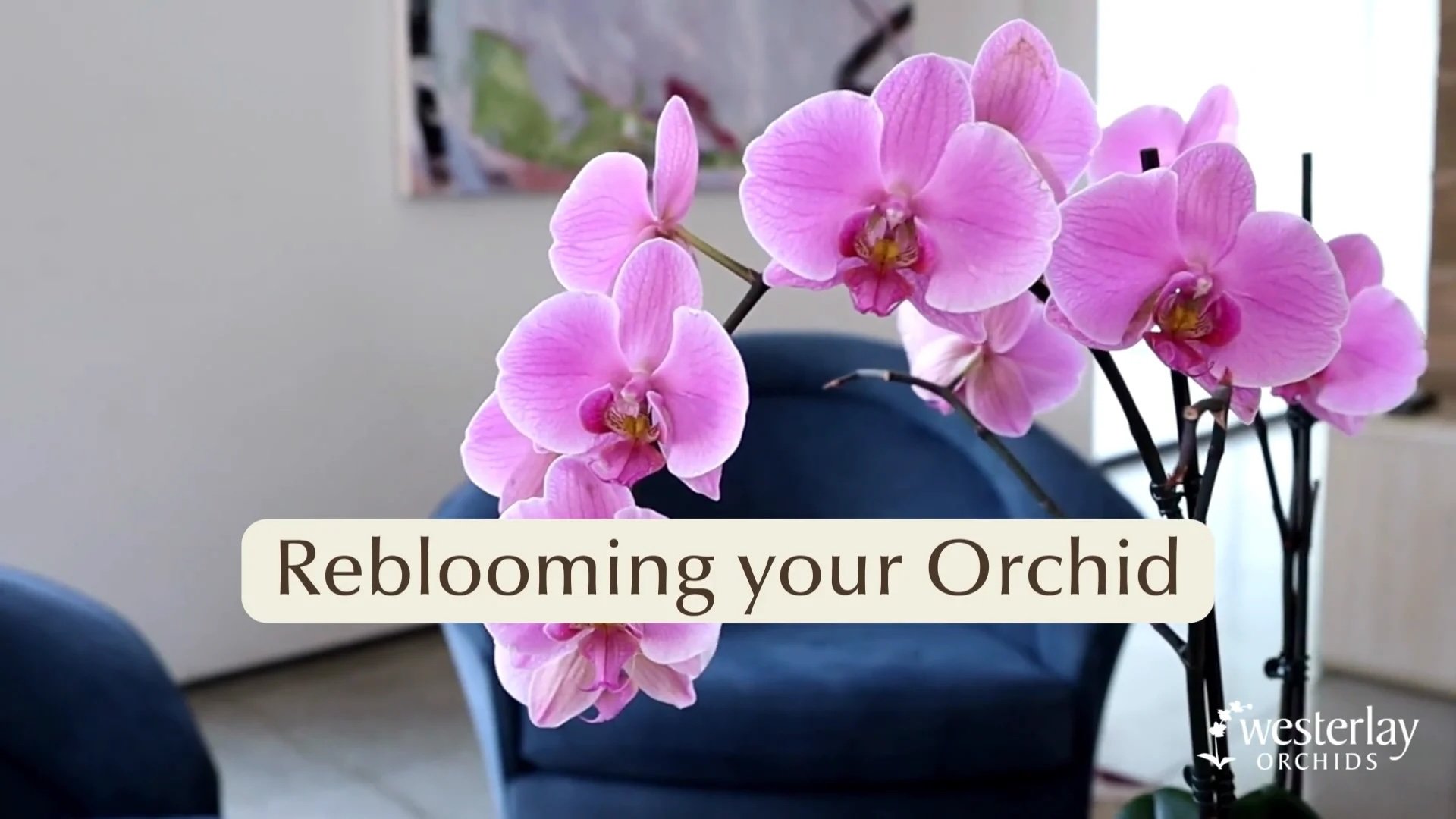
One of the most rewarding moments in orchid care is seeing your plant bloom again. Those elegant, long-lasting flowers aren’t a one-time gift — with the right care, a healthy Phalaenopsis orchid can rebloom year after year.
At Westerlay Orchids, we encourage growers to think of orchids as living in a natural rhythm: bloom, rest, and renewal. Orchids follow a cycle much like seasons in nature, and when that rhythm is respected, reblooming becomes far less mysterious and far more reliable.
Simple Steps For Getting an Orchid to Rebloom
After all the blooms have wilted or fallen off, cut the spike above the node
Continue caring for the orchid and water regularly
A new spike should begin to grow in a few weeks
Understanding the Orchid Bloom Cycle
Orchids don’t bloom continuously, and that’s completely normal. After weeks or even months of flowering, the plant needs time to recover and replenish its energy reserves. During this rest phase, your orchid redirects energy away from flowers and toward growing strong roots and healthy leaves — the building blocks of future blooms.
This stage often looks quiet to growers, but a lot is happening beneath the surface. Trying to force blooms without allowing this recovery period can lead to weak spikes, smaller flowers, or no blooms at all. Supporting the natural bloom cycle is one of the most important habits for long-term orchid success.
After the Blooms Fade: What to Do Next
When the last flowers drop, resist the urge to discard your orchid. Flower loss doesn’t mean the plant is finished — it simply means it’s transitioning into its next phase of growth. What you do next depends on the condition of the flower spike.
If the flower spike is still green and healthy
A green spike indicates the plant still has energy stored in that stem. You can cut the spike just above a node (the small bump beneath a spent flower). In some cases, this encourages a secondary spike to form from that node, which may produce another round of blooms within a few months.
If the spike is brown or dried out
A brown or dry spike will not rebloom. In this case, cut the spike all the way back to the base of the plant. This allows your orchid to fully rest and redirect its energy toward roots and leaves, which often results in stronger, more impressive blooms the next time around.
Always use clean, sterilized scissors or shears when trimming, and take care to avoid cutting into the leaves or the crown of the plant.
How to Encourage a New Flower Spike
Reblooming typically begins with the appearance of a brand-new spike emerging from the base of the orchid. This most often happens in late fall or winter, when environmental conditions naturally shift. With a few simple adjustments, you can help encourage this process at home.
Provide bright, indirect light
Light is the single most important factor in orchid reblooming. Orchids need consistent light to photosynthesize and store enough energy to support flowers. Place your orchid near a bright window where it receives filtered sunlight throughout the day.
Helpful light clues:
East-facing windows provide gentle morning light and are often ideal
South- or west-facing windows work well with sheer curtains for protection
Dark green leaves usually indicate too little light
Yellow or reddish leaves can signal too much direct sun
Introduce a gentle temperature drop
Phalaenopsis orchids respond well to a small temperature change between day and night. A difference of about 10°F (such as 75°F during the day and 65°F at night) helps signal to the plant that it’s time to initiate a flower spike. This drop often occurs naturally near windows or during cooler months.
Continue light fertilizing
Even while resting, orchids benefit from light, consistent feeding. Use a balanced orchid fertilizer or one slightly higher in phosphorus, diluted to half strength. Fertilizing every few weeks supports spike formation without overstimulating leaf growth.
Be patient and consistent
From the moment you spot a small spike until flowers fully open can take 8–12 weeks. During this time, stability is key. Avoid frequently moving your orchid or making drastic changes to its environment, as this can slow development.

Caring for Your Orchid During Its Rest Phase
Between bloom cycles, your orchid is focused on rebuilding strength. This rest phase may look uneventful, but it’s when the plant prepares itself for its next flowering display.
During this time:
Water regularly, allowing the roots to dry slightly between waterings
Maintain bright, indirect light to support healthy growth
Fertilize lightly every 3–4 weeks with diluted orchid fertilizer
Avoid overwatering or heavy feeding, as growth naturally slows
Seeing new leaves or roots emerge is a positive sign that your orchid is regaining energy and moving closer to reblooming.
Healthy Roots = Better Blooms
Orchid roots play a direct role in reblooming success. Healthy roots efficiently absorb water, nutrients, and oxygen — all of which are essential for producing flower spikes.
Silvery roots generally mean the plant is ready for water
Green roots indicate adequate hydration
Brown, mushy, or hollow roots may signal rot or poor airflow
Ensuring good drainage, proper orchid media, and airflow around the roots helps prevent stress and keeps your orchid on track for future blooms.
Should You Repot After Blooming?
Repotting can be beneficial for reblooming, but timing matters. The best time to repot is after flowering, when the orchid begins active root growth. Fresh orchid media improves drainage, airflow, and nutrient availability.
Avoid repotting while a new spike is forming or actively growing. Disturbing the roots during this stage can stress the plant and delay or reduce flowering.
Why Your Orchid Isn’t Reblooming
If your orchid hasn’t rebloomed yet, it doesn’t mean you’re doing something wrong. In most cases, one or more environmental factors are limiting bloom production.
Common reasons include:
Insufficient or inconsistent light
Little to no temperature difference between day and night
Root stress caused by overwatering or poor drainage
Overfertilizing, which promotes leaves instead of flowers
Not enough time between bloom cycles
Addressing even one of these issues can often make a noticeable difference within the next growing season.
When to Expect Reblooming
Most Phalaenopsis orchids bloom about once per year, depending on growing conditions and overall plant health. Many home growers notice a rest period in late summer or early fall, followed by spike development and blooms throughout the winter months.
Each orchid follows its own internal rhythm. Learning to observe and respond to your plant’s signals is part of what makes orchid care so rewarding.
Frequently Asked Questions About Orchid Reblooming
How long does it take for orchids to rebloom?
Reblooming often takes several months. From the first appearance of a spike to fully open flowers typically takes 8–12 weeks.
Should I cut the orchid spike after flowering?
Yes. Green spikes can be trimmed above a node, while brown or dry spikes should be cut back to the base.
Can orchids rebloom from the same spike?
Sometimes. While side spikes are possible, many orchids produce stronger blooms from entirely new spikes.
How often do Phalaenopsis orchids bloom?
Under good conditions, most bloom about once per year.
Why is my orchid growing leaves but no flowers?
This usually indicates insufficient light or a lack of temperature variation.
Quick Orchid Rebloom Checklist
✔ Bright, indirect light throughout the day
✔ A gentle day-to-night temperature difference
✔ Proper trimming of spent flower spikes
✔ Healthy roots with good drainage and airflow
✔ Light, consistent fertilizing
✔ Patience during rest and recovery periods
Westerlay Tip: Patience Pays Off
Reblooming doesn’t happen overnight, but it’s one of the most satisfying milestones in orchid care. Each new flower spike is a sign that your orchid is healthy, settled, and responding well to its environment.
At Westerlay Orchids, we witness this bloom–rest–renewal cycle every day in our greenhouses. With consistent care, proper light, and a little patience, any healthy orchid can rebloom beautifully — again and again.