How to Fertilize Orchids
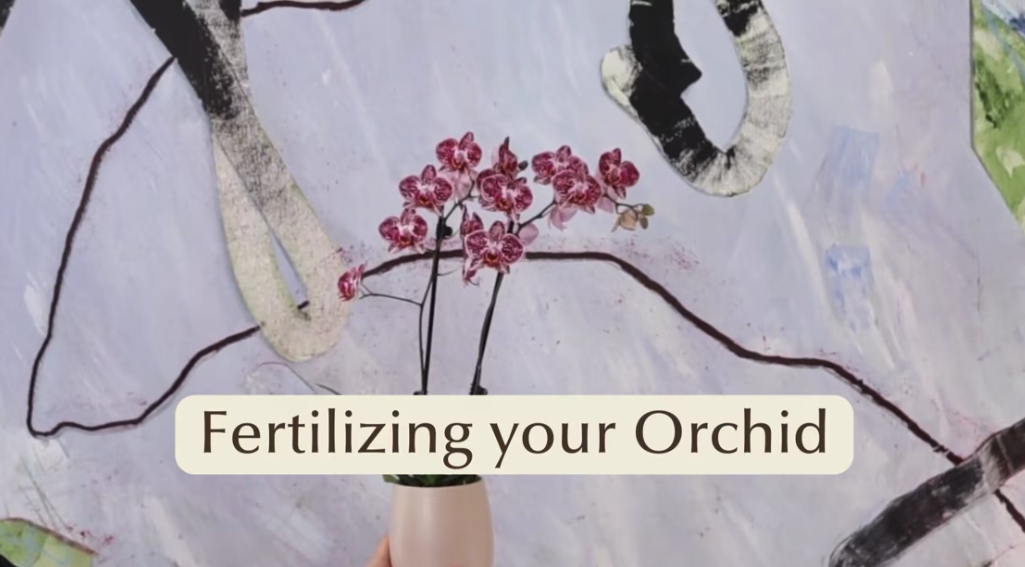
Fertilizing is one of the most important — and often misunderstood — parts of orchid care. When done correctly, feeding your orchid supports healthy roots, vibrant leaves, and consistent, long-lasting blooms. The secret? Gentle, consistent nutrition rather than heavy feeding.
Simple Steps to Fertilizing Orchids
Place your orchid and the plastic grow pot in a water-tight container filled with water about a third of the way
Using Grow More Fertilizer (Urea Free: 20-10-20), add a small pinch to the water and dissolve completely
Soak your orchid in the fertilized water for 10-15 minutes
Remove the orchid and its plastic grow pot from the fertilized water and allow the roots to dry. You can pour out the remaining water from the container
Return the orchid and its plastic grow pot to the decorative ceramic and enjoy!
Feeding and Fertilizing Your Orchid
Like all living things, orchids need nutrients to grow strong and produce blooms. In nature, orchids receive trace amounts of nutrition from rainwater that’s rich in organic matter and naturally diluted. Indoors, however, they rely on you to supply the right balance of nutrients.
Fertilizing your orchid properly supports leaf growth, healthy roots, and long-lasting flowers, while helping the plant recover after each blooming cycle. The key is moderation: orchids thrive on small, consistent doses of fertilizer — not heavy feeding all at once.
Choosing the Right Fertilizer
Look for a balanced, water-soluble orchid fertilizer with equal proportions of nitrogen (N), phosphorus (P), and potassium (K), often labeled as 20-20-20 or 10-10-10. These numbers represent the essential nutrients your orchid needs:
Nitrogen (N): Encourages healthy leaf and root growth
Phosphorus (P): Supports flower production and strong stems
Potassium (K): Boosts overall plant health and resilience
Many high-quality orchid fertilizers also include trace elements such as calcium, magnesium, and iron, which help prevent deficiencies and support strong coloration and structure.
Low-Maintenance Option:
Slow-release orchid fertilizers (pellets or spikes) gradually feed the plant over time and can be helpful for growers who prefer a hands-off approach. These work best when paired with regular watering and occasional flushing.
How Often to Fertilize an Orchid
Orchids follow a natural growth cycle, and your fertilizing schedule should match it.
During Active Growth (Spring–Early Fall)
Feed every 2–3 weeks
Use a water-soluble fertilizer at half the recommended strength
During Slower Growth (Late Fall–Winter)
Reduce feeding to once a month
Some orchids can pause fertilizing entirely until new growth appears in spring
The most common mistake is overfertilizing. Too much fertilizer can burn roots and cause white mineral buildup on the bark or pot. Remember:
“Weakly, weekly” (or biweekly) is far better than strong and sporadic.

How to Fertilize Your Orchid (Step by Step)
Water first
Always water your orchid before fertilizing. Moist roots absorb nutrients more evenly and are far less likely to burn.Mix fertilizer at half strength
Follow the label directions, but dilute to 50% of the recommended dose.Apply gently
Pour the solution through the bark mix until water drains freely from the bottom of the pot.Rinse occasionally
Every few months, flush the pot thoroughly with plain water to remove any fertilizer residue or mineral salts.
This simple routine keeps the root system clean, active, and well-nourished.
Special Feeding Tips for Orchids
After repotting:
Wait about two weeks before resuming fertilizer to allow roots to heal and adjust.Encouraging reblooming:
A fertilizer slightly higher in phosphorus (the middle number) can help support flower spike development, especially once new growth is established.Water quality matters:
If your tap water is hard or heavily treated, consider using rainwater, distilled water, or filtered water when mixing fertilizer to reduce salt buildup.
Common Orchid Fertilizing FAQs
Can I fertilize while my orchid is blooming?
We do not recommend it.
Do orchids need fertilizer every time they’re watered?
No. Fertilizing every 2–3 weeks is sufficient during active growth. Plain water in between helps prevent salt accumulation.
What does overfertilizing look like?
Signs include white crust on bark or roots, leaf tip burn, limp roots, or slowed growth. Flush thoroughly with plain water and reduce feeding frequency.
Is more fertilizer better for faster blooms?
No. Orchids are sensitive feeders. Too much fertilizer encourages leaf growth at the expense of flowers and can damage roots.
Westerlay Tip: Observe and Adjust
Healthy orchids show their satisfaction through steady leaf growth, firm roots, and a reliable blooming cycle. If your orchid’s leaves appear dull or growth slows, it may benefit from slightly more frequent light feeding. If you notice white residue on the bark or roots, it’s time to flush the pot and ease up on fertilizer.
With careful observation and a gentle feeding schedule, your orchid will reward you with strong growth and beautiful, enduring blooms.